Which store are you looking for?
Open today from 07H30 to 00H00
06.11.2025
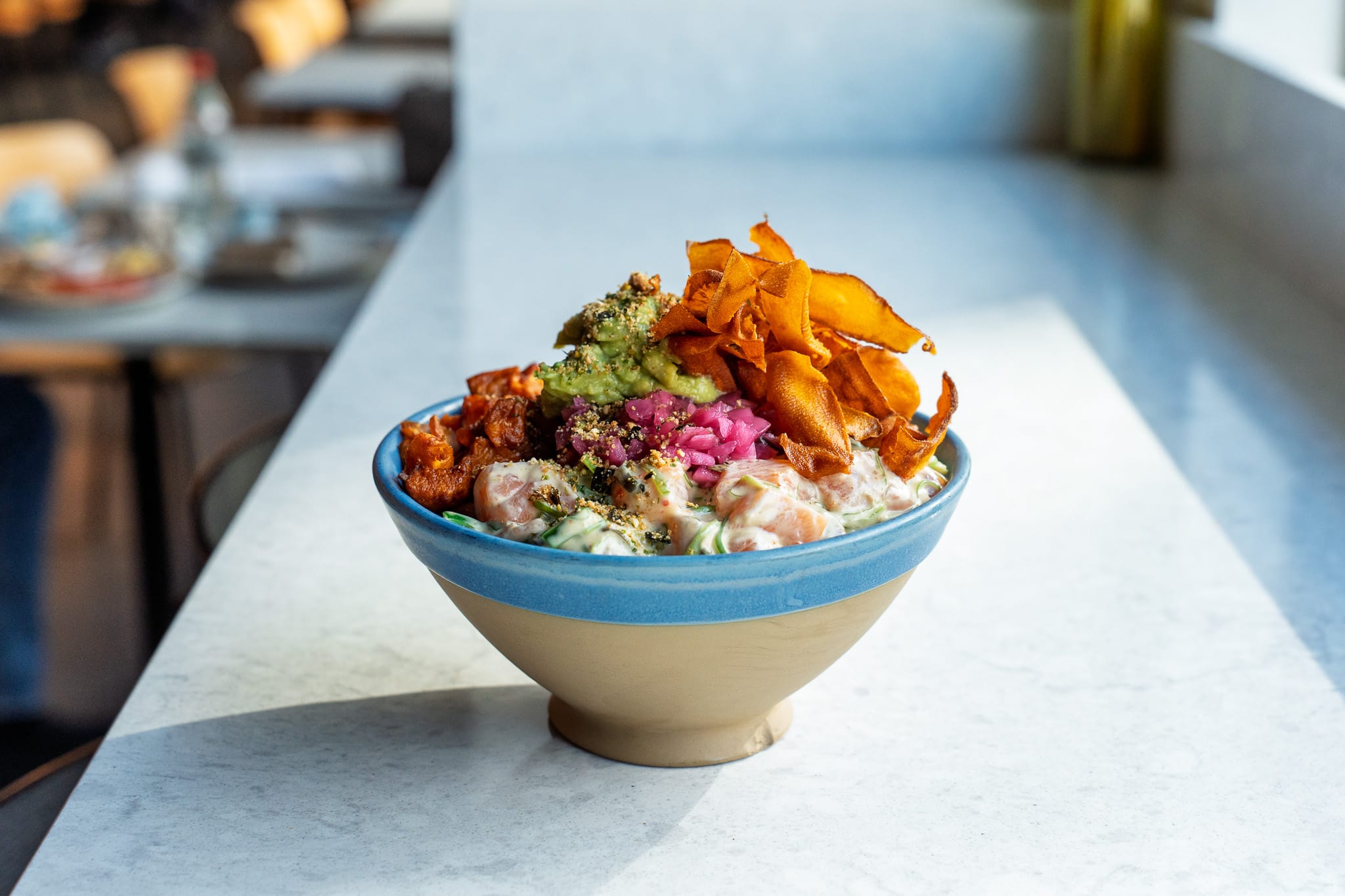
It took Asian gastronomy half a century to establish itself in Geneva — and it is now going through the fastest acceleration in its history. Sushi paved the way; in recent years, a new generation of fusion and street-food concepts has redefined how Geneva eats Asian cuisine.
Geneva’s relationship with sushi goes back more than fifty years. One of the city’s very first Japanese restaurants, Yamakawa, opened in 1971. For a long time it was the only address serving a dish still unfamiliar to the Swiss public — held back by customers’ reluctance toward an unfamiliar dish, the difficulty of sourcing extra-fresh fish far from the coast, and a price point that kept sushi reserved for a narrow clientele.
Everything changed at the turn of the 2000s: sushi restaurants and takeaway shops multiplied across Geneva, following the American take-out model. Prices fell, the offering expanded, and sushi became the first genuinely democratized Asian dish in French-speaking Switzerland. After a market oversaturation crisis in 2015 — documented at the time by the local business press — the sector stabilized.
Above all, sushi opened the door: it accustomed the Geneva palate to the idea that Asian food could be eaten fast, well, and without pretense — common ground that would go on to benefit an entire new generation of concepts.
Good to know: sushi did not originate in Japan but in China, as a technique for preserving fish in fermented rice. From the 14th century, the Japanese adopted the method and began eating the rice alongside it.
Reference: main sushi variations
| Type | Description |
|---|---|
| Maki | Rice, raw fish, and vegetables rolled in a nori seaweed sheet |
| Temaki | Nori cone filled with rice and maki-style ingredients |
| Gunkan | Rice ball wrapped in nori, topped with fish roe |
| Uramaki / California roll | Rice on the outside, nori on the inside |
Not to be confused with sushi: sashimi (thin slices of raw fish, no rice), chirashi, and the poke bowl — standalone dishes made from the same ingredients, and already, in embryonic form, an early expression of fusion.
What sushi started, street food and Asian fusion cuisine have generalized. In recent years, Geneva’s culinary offering has expanded beyond traditional Japanese restaurants to embrace hybrid concepts blending cultures (Japanese, Vietnamese, Peruvian, Korean, Thai) and formats (bowls, bao, burgers, poke, takeaway ramen).
Several factors explain this acceleration:
This shift — from a specialist cuisine to an accessible, hybrid Asian gastronomy — is clearly visible in downtown Geneva’s dining offering today.
To experience this diversity without leaving the city center, head to Spoon Food Hall, on the 2nd floor of Confédération Centre, in the heart of the Rues Basses. This food hall brings together a selection of street-food and fusion concepts representative of this new generation of Asian cuisine:
All told, a single visit is enough to compose a genuine culinary tour of Asia — in a setting suited to a quick lunch as much as a shared moment with friends or colleagues.
What does Asian gastronomy in Geneva look like today?
It’s a range of cuisines from Japan, Vietnam, Korea, and Thailand, brought together in fusion and street-food concepts. Sushi remains its historic ambassador, but today’s offering extends well beyond Japanese cuisine alone.
Where can I eat Asian fusion food in Geneva?
Spoon Food Hall, on the 2nd floor of Confédération Centre, brings together several fusion and street-food concepts (Japanese ramen, Nikkei poke, Vietnamese street food) in one place.
What’s the difference between sushi, sashimi, and a poke bowl?
Sushi combines vinegared rice with fish or vegetables; sashimi is a slice of raw fish served without rice; a poke bowl is a dish of rice, marinated fish, and vegetables, without the shaping technique specific to sushi.
Since when has sushi been eaten in Geneva?
Since 1971, when Yamakawa — one of the city’s first Japanese restaurants — opened. Sushi only became widely popular starting in the 2000s.
27.01.2025
17.12.2024
21.11.2024


